Catalogue preview — online ordering not yet open; prices and content indicative
Made-to-order jewellery · Online only
Drawings outlive their centuries.
Find a line. Understand its history. Bring a jewel back to life.
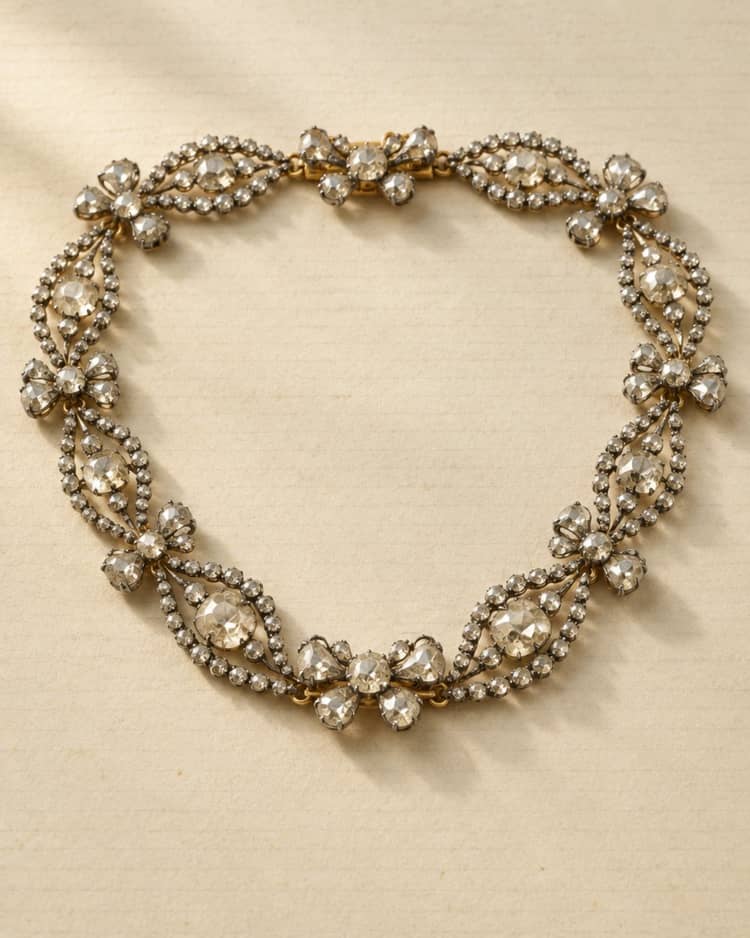
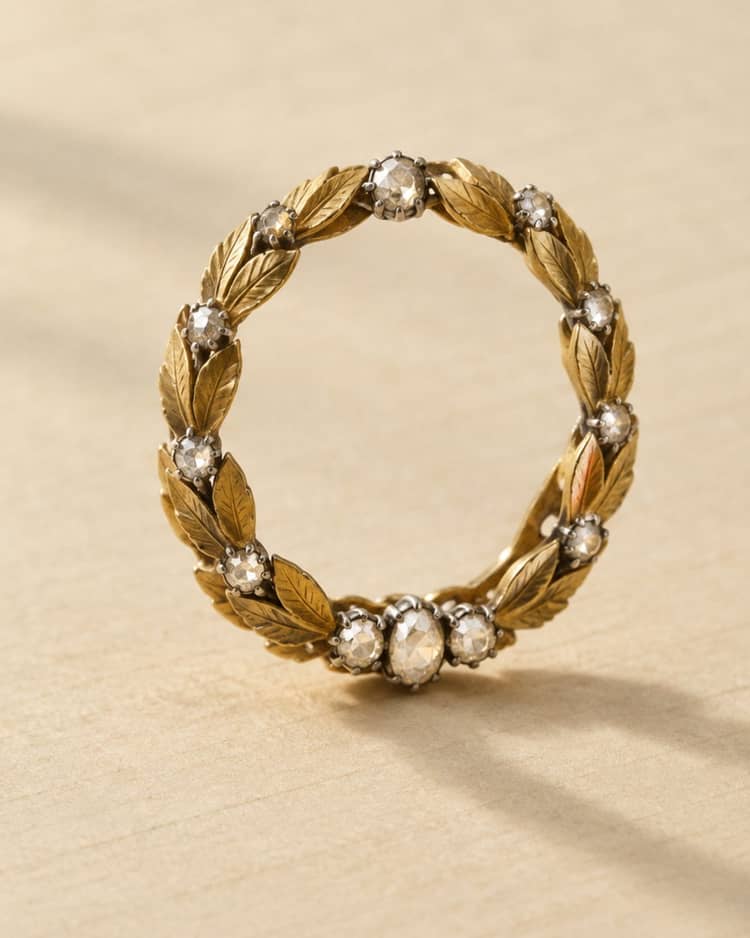
Every Sévigné piece is made for you from an archive drawing — natural or laboratory-grown (synthetic) diamonds, claw-set in yellow gold and silver as in the eighteenth century, or in platinum.
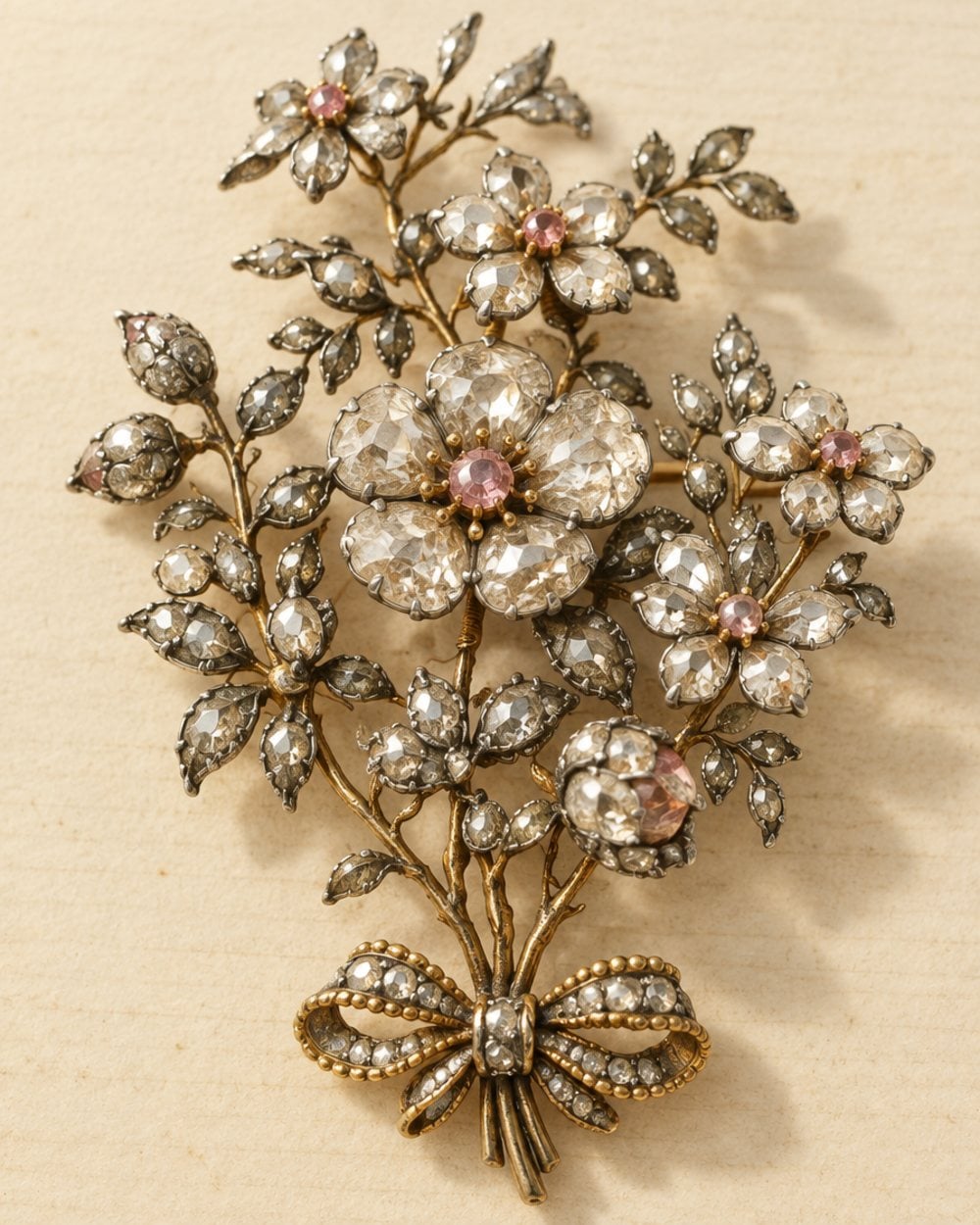
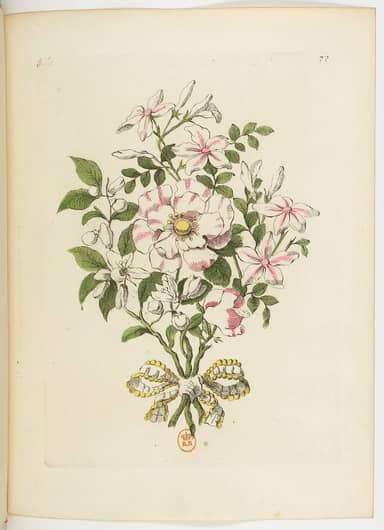
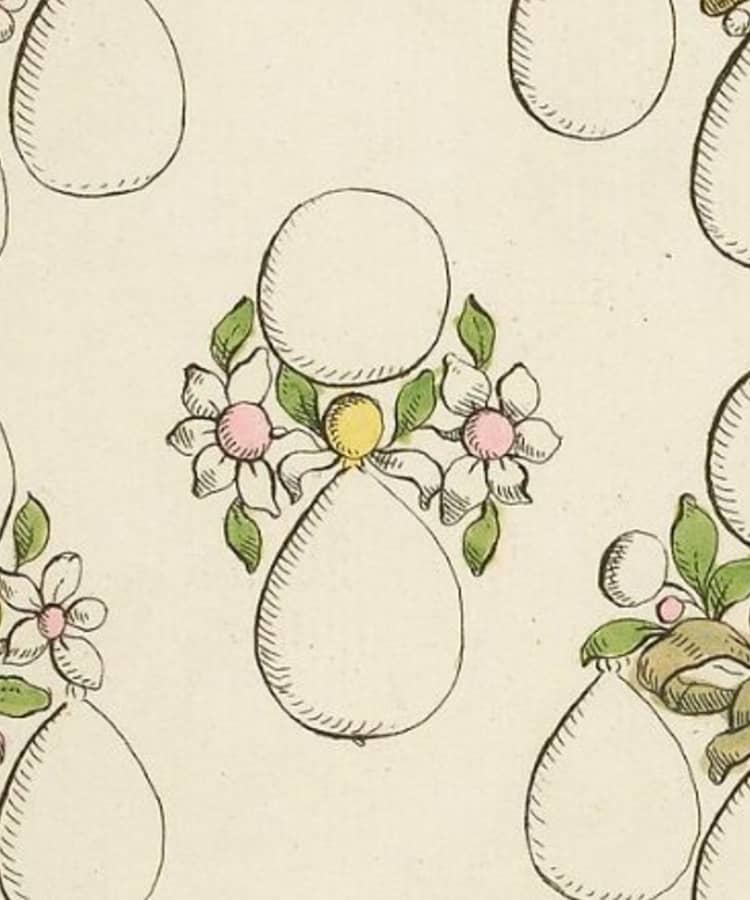
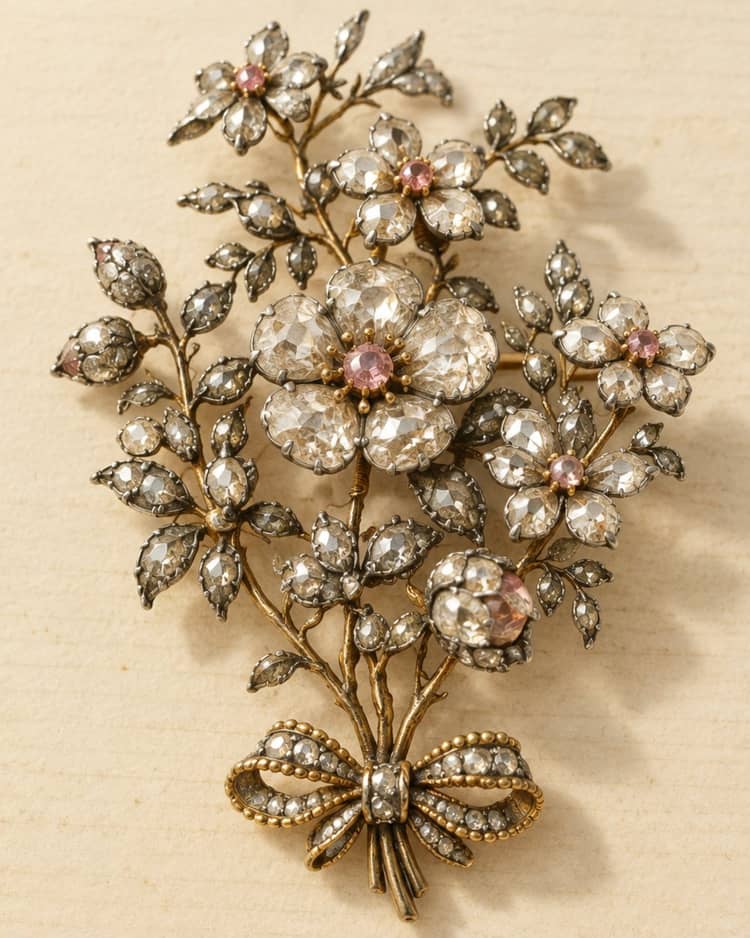
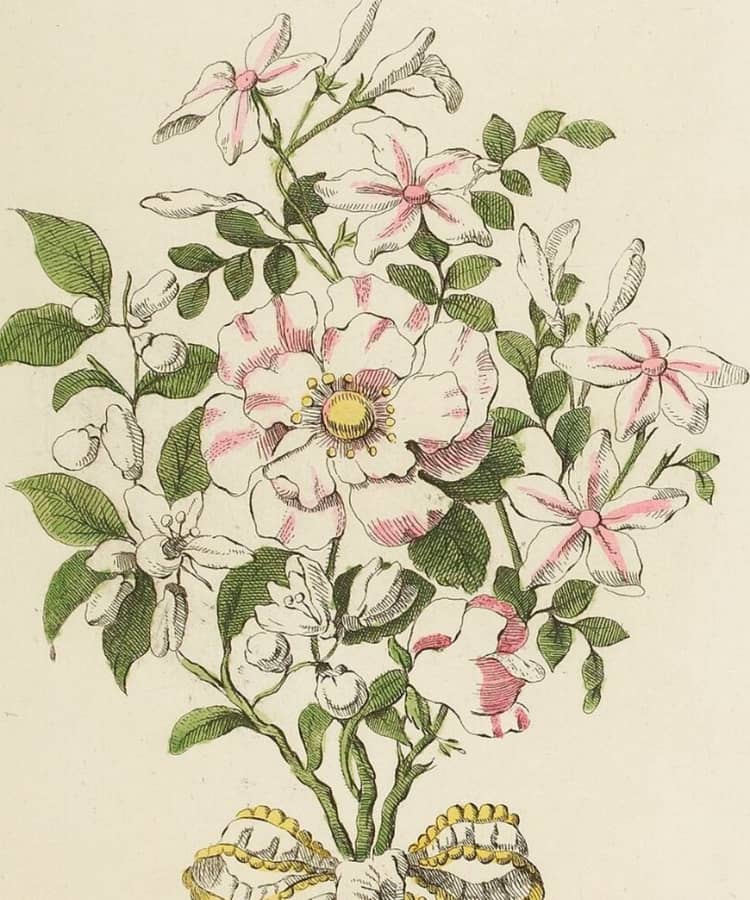
Bouquet Tremblant · Louis XVIIIPouget fils · 1762 · BnF · Plate 45Illustration — photograph of the finished piece to follow
Decor: Zuber & Cie, Le Paysage à chasses, panels 12–13 — photograph VictorGer, cropped and tinted, Wikimedia Commons, CC BY-SA 4.0
The collections
Five periods. Five collections.
Choose a period. Each collection is born of research: identified sources, a precisely attributed motif, then the jewel.
Louis XIV · 1643–1715
The goldsmith’s drawing
A first precise corpus: Gilles Légaré and Louis Cossin. Their engravings show the jewels, sometimes their backs — invaluable for understanding how crosses, clasps and bracelets were built.
Next research: Compare fronts and backs of the pendants; record the clasps.
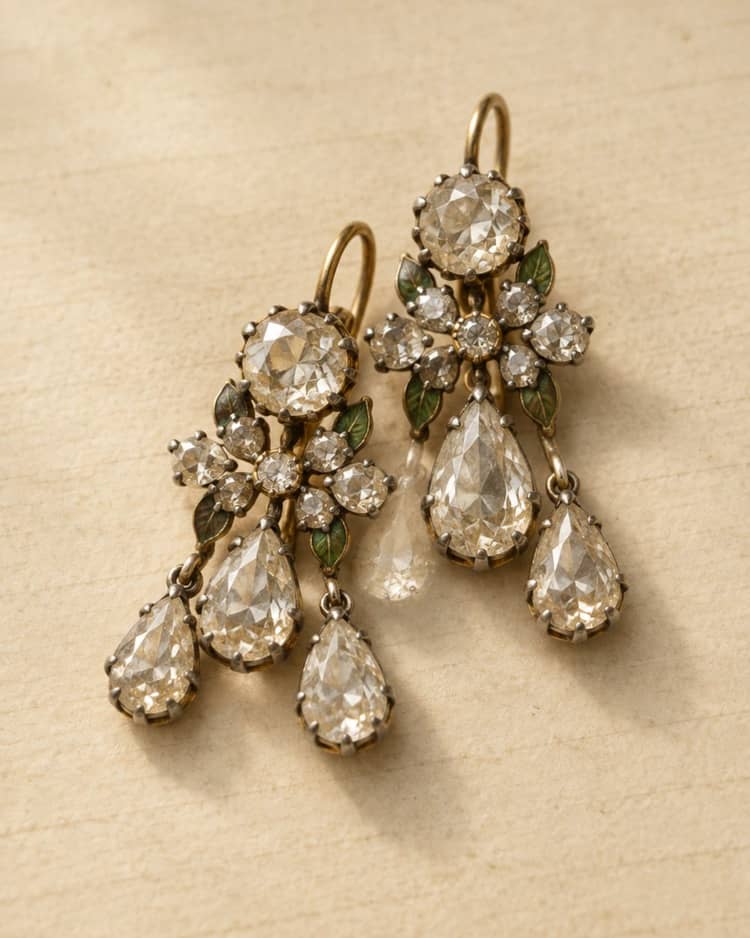
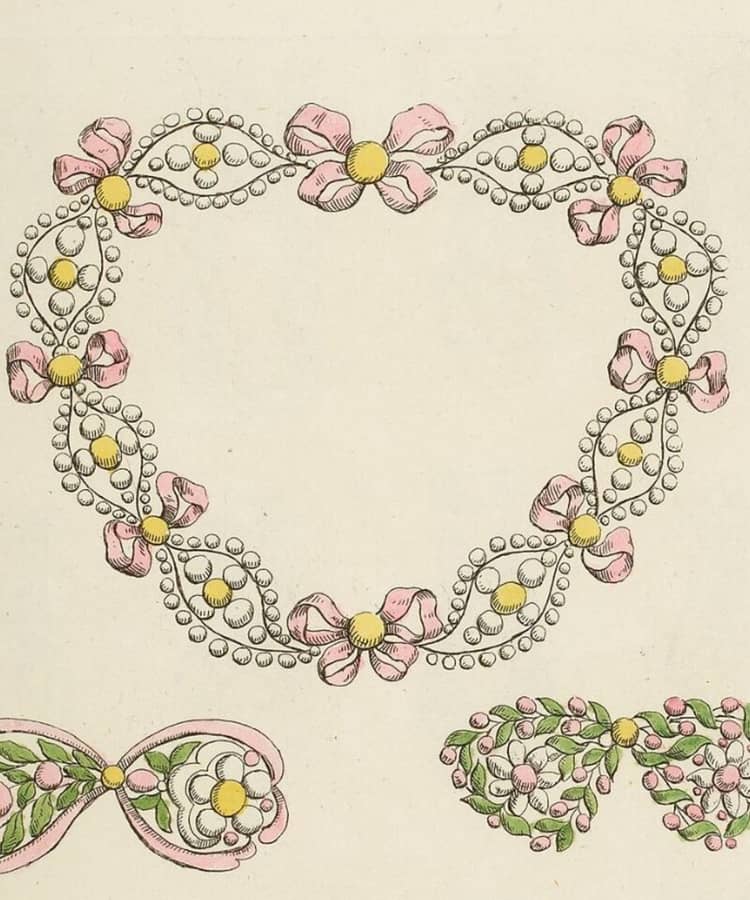
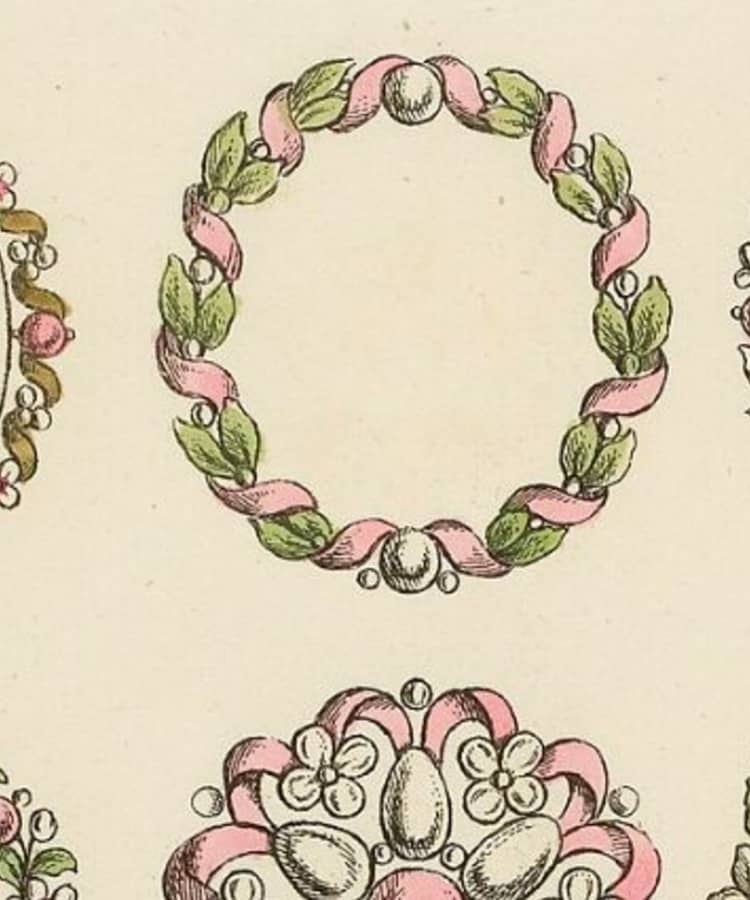
In 1762 Pouget fils engraved seventy-nine plates of parures on the Quai des Orfèvres. Girandoles, bows, bouquets: the Maison’s first archive, studied plate by plate.
Next research: Measure the girandoles of plate 14; compare with pieces in the Louvre.
Garlands, ribbons and oval medallions. Van der Cruycen’s plates and Vigée Le Brun’s portraits fix the Queen’s taste — light rivières, articulated bows.
Next research: Identify the “esclavage” necklaces; record the medallions’ proportions.
Across five periods and five categories, every piece points to its archive plate.
02
Compose your piece
Natural or laboratory-grown (synthetic) diamonds; historic gold-and-silver setting, or platinum; size and engraving.
03
Receive it at home
A 30% deposit at order, balance before shipping. Made by a partner jeweller in 8 to 10 weeks and shipped to you directly; insured delivery, a facsimile of the plate and a numbered certificate of provenance.
Research & history
Before the jewel, the archive.
An author, a date, a plate. Each piece begins with research and continues in a file that explains the drawing, its proportions and its adaptations.
Marie de Rabutin-Chantal, Marquise de Sévigné · Paris 1626 – Grignan 1696
Born on the Place Royale, orphaned at seven, married at eighteen, widowed at twenty-five: Marie de Rabutin-Chantal moved through the Grand Siècle as a free woman — the Hôtel de Rambouillet, the court of Louis XIV, the salons where French wit was made.
For twenty-five years she wrote to her daughter, Madame de Grignan — more than a thousand letters: the court, the trials, the fashions, the jewels one wore and the jewels one sold. Published after her death, they made her the first intimate witness of the seventeenth century.
Her name survives in a jewel: the “sévigné”, the bodice brooch shaped as a ribbon bow and set with diamonds, found in every parure of the eighteenth century. It is this bow that the Maison chose as its emblem — and its first collection.
“One must glide over many thoughts, and pretend not to see them.”
— Letter to Madame de Grignan, 1671
1626
Born in Paris, Place Royale
1671
The correspondence with her daughter begins
1725
First edition of the Letters
18th c.
The “sévigné” bow enters the jewellers’ vocabulary